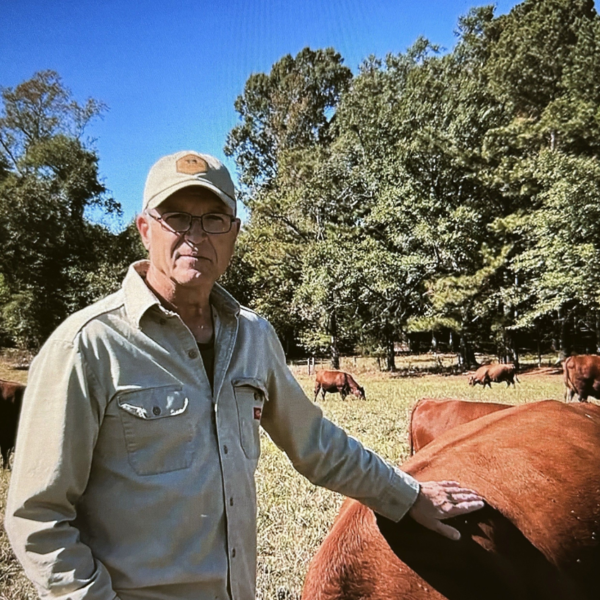

Brian enlisted in the United States Navy after graduating high school, dedicating twenty years to service before retiring in 1998 as a Senior Chief Instrumentman (IM). His career commenced with technical training at Great Lakes, Illinois, followed by his first assignment aboard a submarine repair tender in Charleston, South Carolina. As an Instrumentman, he became proficient in the precise repair, calibration, and maintenance of mechanical and electro-mechanical test and measuring equipment used throughout the ship. He earned further qualifications in watch and clock repair and office machinery repair. His training and skills supported systems such as oxygen generation, nuclear machinery, and optical instrument calibration used in weapons systems.
Most of his career was spent in support of the U.S. Submarine fleet during deployments and shore assignments in Charleston, Italy, Philadelphia, Scotland, Norfolk, and Pensacola. As seniority increased his skills transitioned into leadership and technical training roles for the younger sailors. His final assignment was the Maintenance Manager on a U.S. Navy Destroyer conducting operations in the Persian Gulf.
"My journey with the Farmer Veteran Coalition (FVC) began after purchasing a Kubota 2501 tractor, a pivotal investment needed to advance our farming initiatives. This initial connection led me to attend a Frontline to Farm event at Appalachian State, where I truly understood the scope and mission of the FVC. The event was eye-opening, revealing the extensive resources and support available to veterans transitioning into agriculture."
Through the influence of the Farmer Veteran Coalition and its affiliates, Brian gained valuable guidance on launching his farm business. The mentorship enabled him to develop a comprehensive business plan and acquire the fundamental education and skills required to start this agricultural venture. This exposure was essential — without it, he believes his business would have struggled at the starting phase, never achieving the level of progress and success he has today.
"I am deeply grateful for the support and encouragement provided by the FVC, which has made a significant difference in our journey."
East Ridge Farms LLC is a veteran co-owned cow/calf operation specializing in registered South Poll cattle, located on 80 acres of family land. With three years of farming experience, Brian shares ownership of the cattle and co-manages the farm alongside his 83-year-old father-in-law. Together, they are committed to revitalizing the property, correcting over 15 years of leased farmland practices that resulted in overgrazing and depleted pastures.
After completing his military service, Brian had a strong desire to raise cattle and develop a farming operation. However, timing and family dynamics posed significant challenges. His wife’s father retired and leased out his farm and Brian's father was not prepared to allow others to use his land, ultimately selling it. These circumstances crushed his vision to begin farming.
The opportunity arose when his father-in-law reached 80 years old and decided to entrust them with the farm. After witnessing the farm’s decline over the years, the immediate task was to begin revitalizing the pastures. His primary goal is to establish a sustainable agricultural operation capable of supporting multiple family members. Currently, the efforts are focused on two areas, growing cattle and growing lavender, both in support of local agritourism.
Brian's wife and daughter started Lavender Flair LLC, and they took 1.8 acres and planted 1,000 lavender plants on it! In May 2026, they hosted their first South Carolina Agriculture Arts Tour! Their second agricultural endeavor is their South Poll cattle operation, East Ridge Farms LLC. Together, these initiatives reflect their commitment to restoring the land and building a legacy that can benefit the family for years to come.
"Farming enables me to channel the values of dedication, responsibility, and service that I developed during my military career into nurturing both land and community. Each day on the farm is an opportunity to build a legacy, provide for others, protect natural resources, and contribute to the broader well-being of our region. Being an American farmer is more than a profession to me — it’s a calling to steward the land with integrity and to ensure future generations can thrive through hard work, resilience, and a plan. Across the country, farms are disappearing at an alarming rate. One of the primary reasons for this trend is that many agricultural operations were not structured in a way that could support more than one family. As a result, the younger generation — often chose to leave, seeking opportunities elsewhere. This left the original farm without clear heirs and ultimately contributed to the loss of family-owned agricultural businesses."
"My goal is to change this paradigm by building a legacy farm model. By creating an operation that is capable of supporting multiple families and encouraging involvement from future generations, I hope to establish a sustainable foundation that will allow the farm to thrive for years to come."