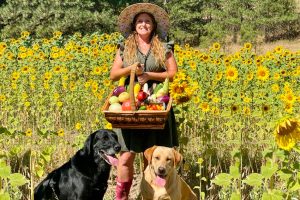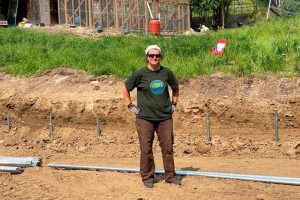
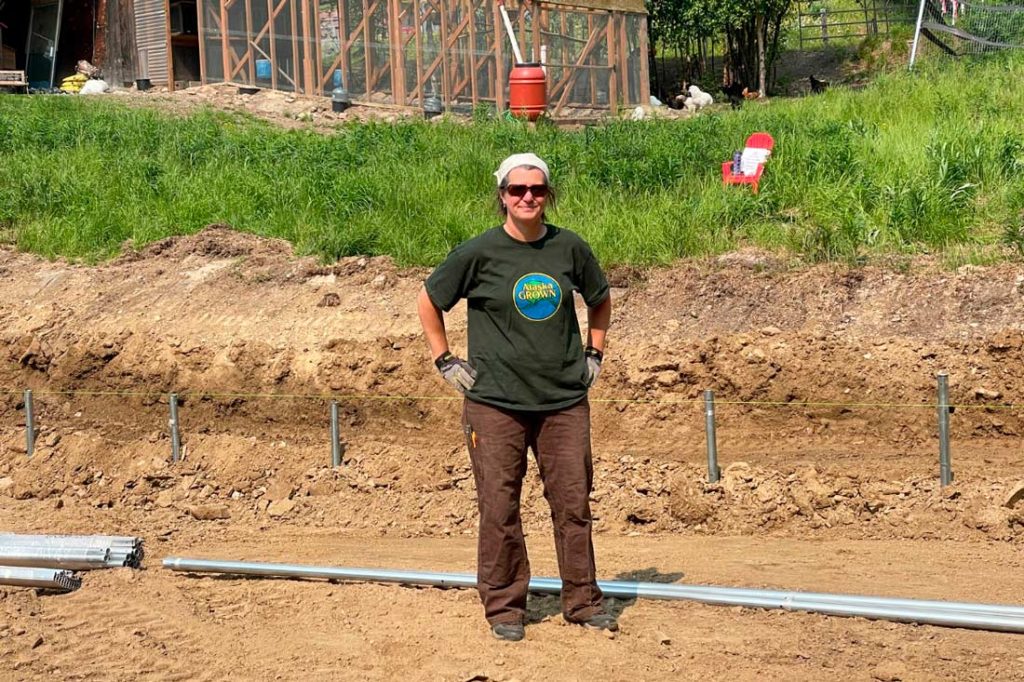
2026 is International Year of the Woman Farmer and the Farmer Veteran Coalition is committed to featuring female FVC members, as a part of the Women of FVC program. This month’s feature is April Smurda, U.S. Air Force Veteran.
April grew up in rural Michigan, in a small town called Harbor Beach. After graduation, she enlisted in the Air Force, serving for 29 years. During her time in the Air Force, April would be stationed in various locations, including Alaska, Colorado, Nebraska, California, and even Germany. During that time, she would travel to over 30 countries.
April didn’t grow up on a big farm, but her family did have fresh vegetables, and various fruits like raspberries and strawberries. She recalls having great memories of having her toes in the dirt in her grandparents’ garden.
During her assignments, April always wanted to grow things. However, this proved to be very difficult. Each time she had to learn a new climate/zone and then take on the heartbreaking task of leaving it all behind and having to start over again.
“One key thing I always looked forward to in my military retirement was to grow things and not have to start over for the umpteenth time,” said April. “My husband and I named our farm in that spirit, Growing Roots Farm, finally staying in one spot.”
Once April and her husband decided on where they wanted to live and raise their three kids, they found their dream property and got straight to work. They began with seven laying hens, just two months after closing on their house back in 2018. By the spring of 2019, they built eight raised beds and planted their first apple trees. Since then, they’ve been working on the land around them.
Today, they keep approximately 80 chickens year-round, as well as having heritage turkeys and raising meat turkeys during the summer. They have a standing list of customers and sell fresh eggs year-round. They also sell spring chicks, keep two pet bunnies who produce incredible fertilizer, and have kept bees for the past two years.
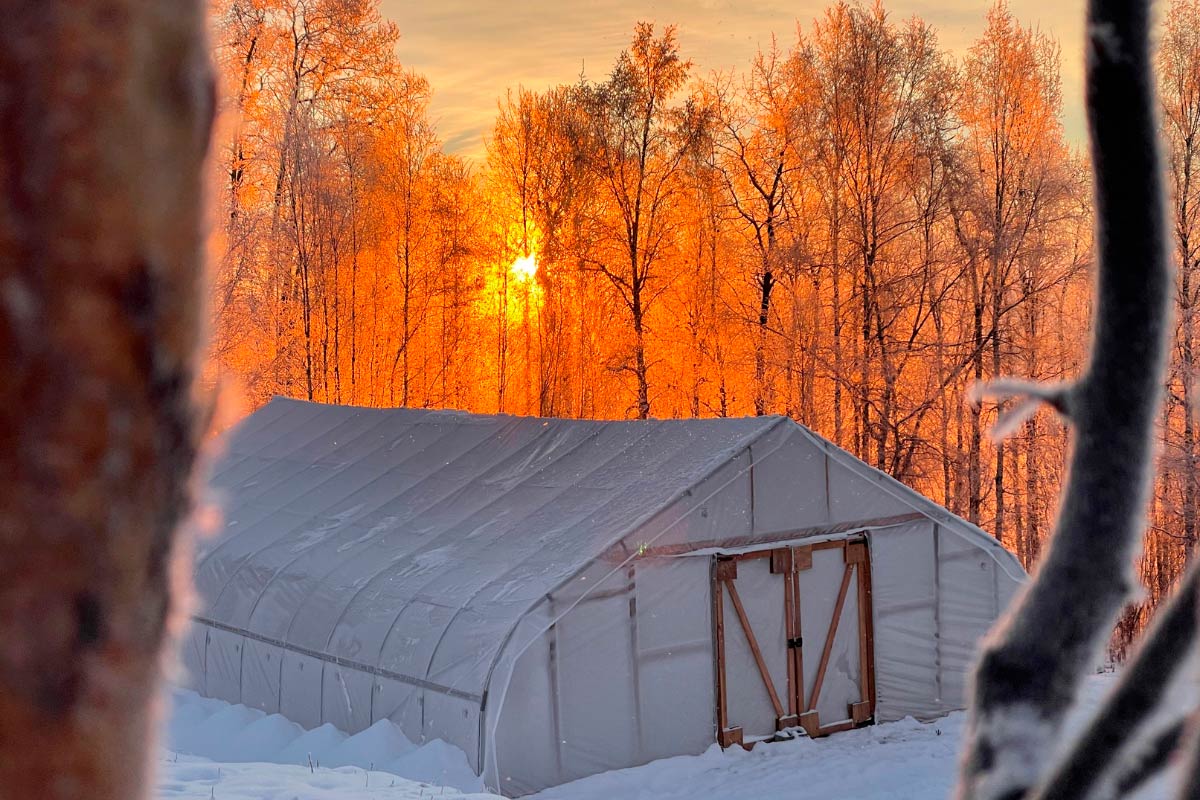
In their 1,440 sq. foot high tunnel, they grow sweet corn, tomatoes, peppers, cucumbers, zucchini, green beans, huckleberries, flowers, and herbs. They also grow brassicas, root veggies, and other cool-tolerant crops in their raised beds.
“We wanted more control over our health, especially for our kids, and growing our own nutrient-dense food is a great way to do that,” said April.
What April enjoys the most about her farm is “watching the magic happen.” She loves starting a seed, watching what it becomes, and then bringing her kids along to help her harvest it.
She also loves teaching her kids about work ethic. The chores that enable a feeling of gratitude for the meat that sits on their table, the turkey that they help to raise, and process into a full-blown meal. That is what she calls her “why”.
“We are teaching our kids where their food comes from and how to eat seasonally,” said April. “And along the way, we feel more connected to the land.”
In 2025, April was a Fellowship Fund awardee, funded by an individual donor. April used those funds to purchase a 2,500-gallon water holding tank. She positioned it to take advantage of the gutters that were installed on their pole barn. It catches the rainwater and they use it to gravity feed their off-grid, drip-irrigated high tunnel. What used to take two hours to water every day, now is virtually hands off as they just need to check their solar timer.
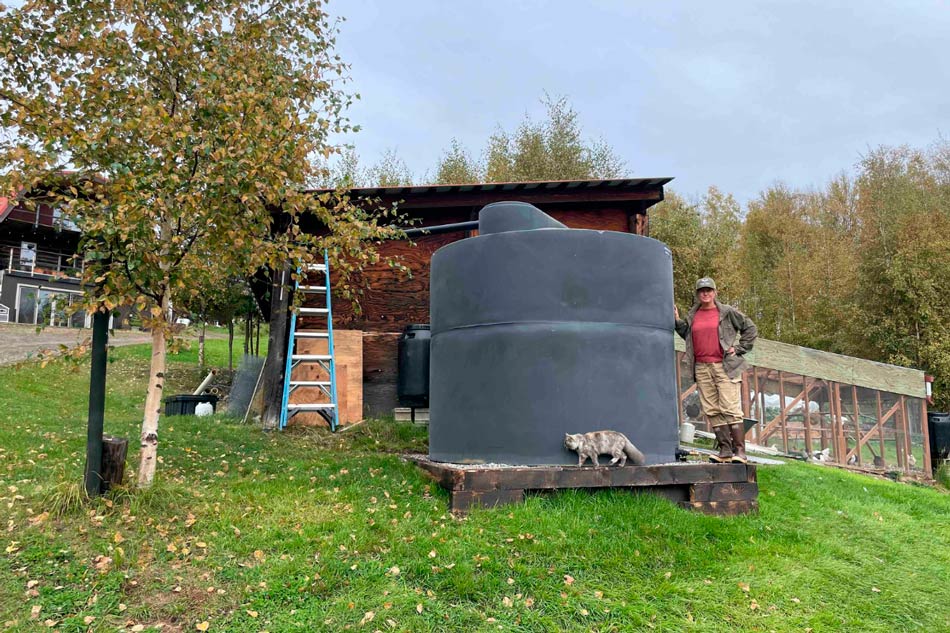
Thanks to this holding tank, April is able to capture twice as much water, allowing them to water all of their crops with fresh rainwater.
When asked about being a woman in agriculture, April brought up her duties as a mom. She believes that one of her main jobs is to show her kids how to take care of themselves. This means nourishing their bodies and a huge part of that comes from what they eat. Though it’s a simple concept, it’s one that she says is often overlooked.
“Women are a natural part of agriculture and the more our kids see us growing and experience that alongside us, perhaps the more they will remember, and potentially appreciate it,” said April. “They need to understand these basic necessities of life and if we don’t teach them, who will?”
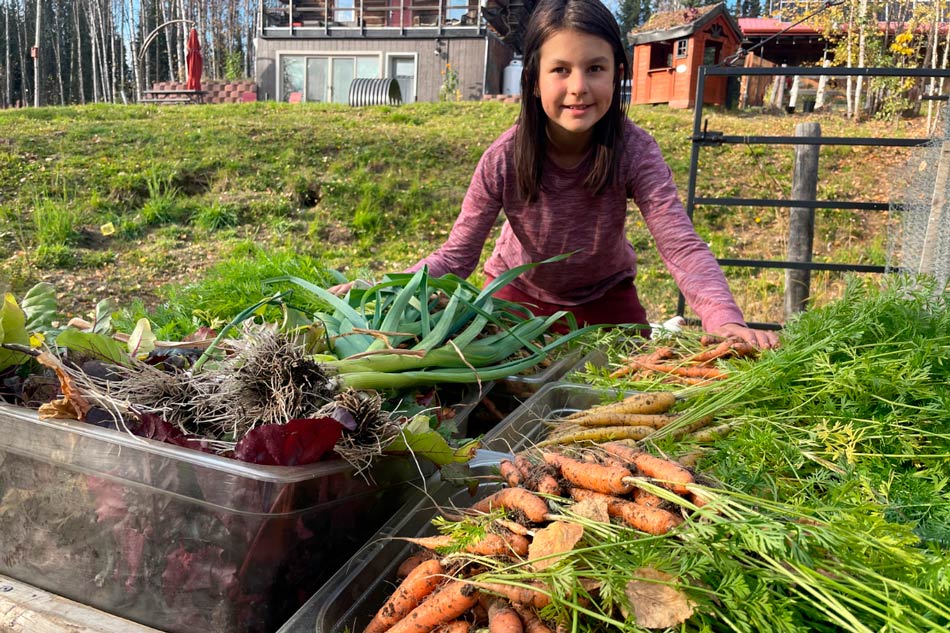
April stresses the importance of teaching the next generation and she can’t think of a better way than for women to impart their wisdom through growing food in order to help heal the world.
For April, her biggest challenge is her physical abilities. After serving for 3 decades and starting a farm, it has taken its toll on her body.
“I have to continuously evaluate the task and figure out how best to accomplish it, whether it is something I can do myself or if I have to ask for help,” said April. “And as we all know, asking for help can be hard.”
For other women interested in agriculture, April encourages them to take the leap and don’t be afraid to ask for help, even if it may be a bit intimidating.
“There are so many people that want to see you succeed,” said April. “Don’t be afraid to ask for help. You might be surprised at the friendships that come from such a shared purpose.”
To learn more about April and her farm, visit their Facebook page HERE.