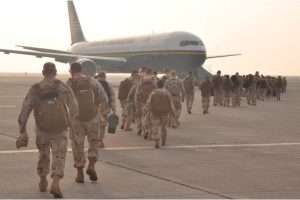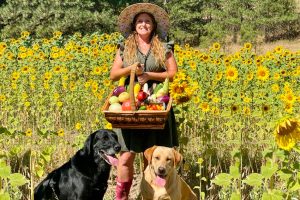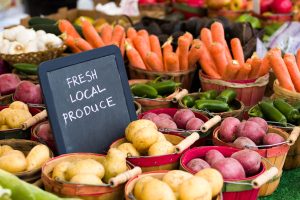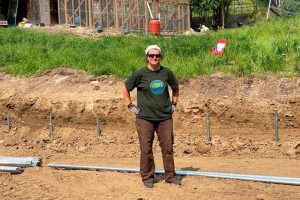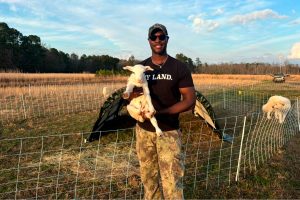
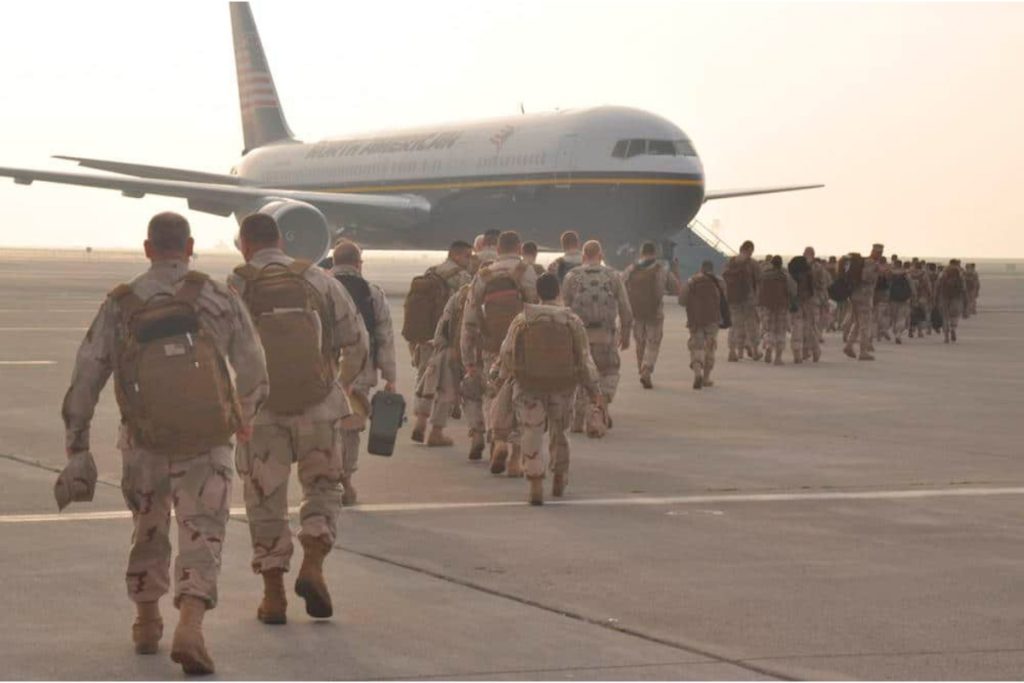
Across the United States, thousands of farmers and ranchers quietly serve in a second role beyond agriculture. They are members of the National Guard or military reserves – citizen soldiers who balance military duty with the everyday work of producing food, fiber, and livestock for the country.
These individuals represent a long American tradition. From the earliest militias of the Revolutionary War to modern National Guard units, rural communities have consistently provided a strong share of the nation’s service members. Today, that tradition continues through the men and women who manage farms and ranches while also serving in uniform.
But when National Guard units deploy overseas, the impact reaches far beyond military bases and training facilities. It reaches into rural communities and onto working farms where crops still need to be planted, animals must still be cared for, and businesses must continue operating.
For FVC and Guard members, deployment means preparing not only themselves and their families for military service, but also ensuring their farms can survive while they are away.
America’s Farmer Soldiers
The connection between agriculture and military service runs deep in the United States. Rural communities have historically had high rates of military participation, and many service members choose National Guard service specifically because it allows them to remain in their communities and maintain civilian careers.
Agriculture is one of the professions that fits especially well with Guard service. The structure of the Guard – typically one weekend of training each month and two weeks of annual training – allows farmers to continue managing their operations while serving their country.
According to the most recent USDA Census of Agriculture, more than 300,000 agricultural producers (who responded to the survey) in the United States have served in the military at some point in their lives. Many of those veterans transitioned into farming after their military careers, while others continued Guard or Reserve service while building agricultural businesses.
While exact numbers are difficult to track, analysts estimate that between 13,000 and 22,000 National Guard members nationwide may currently be farmers or ranchers. Many thousands more work in agriculture-related jobs such as farm labor, trucking, equipment repair, feed production, or agricultural supply.
This means that when Guard units deploy, the ripple effects can reach across large portions of the agricultural economy.
Where National Guard Deployments May Impact Agriculture Most
Some parts of the country are more likely to feel these impacts than others. States with large agricultural economies and large National Guard forces tend to have the highest number of farmer soldiers.
Several states stand out as areas where deployments may have a particularly strong effect on agricultural operations. Texas has the largest National Guard force in the United States, with more than 22,000 personnel and California has the largest agricultural economy in the U.S., producing more than $50 billion in agricultural products each year.
In the Midwest, there remains one of the strongest overlaps between agriculture and National Guard participation.
Minnesota produces large amounts of corn, soybeans, dairy products, and pork. Wisconsin is famous for its dairy industry, while Iowa ranks among the nation’s top producers of corn and soybeans.
These states also have strong National Guard traditions, with units recruiting heavily from rural communities. As a result, many Guard members in these states come directly from farming families.
The Great Plains states have some of the most agriculture-intensive landscapes in the country. Large grain farms producing wheat, corn, and soybeans dominate the region, along with significant cattle ranching operations.
Because these states have smaller populations but strong military participation rates, a significant percentage of National Guard members come from agricultural backgrounds.
The Real Impact of Deployment on Farms
For farmer soldiers, deployment is not simply about leaving their jobs temporarily. Farms operate on strict seasonal timelines that cannot be paused.
Livestock must be fed every day. Irrigation systems must run on schedule. Crops must be planted and harvested during narrow windows. Equipment must be maintained and repaired when needed.
Many farms also depend on the experience and leadership of one or two primary operators. When those individuals deploy, families and communities must step in to keep operations running.
Without preparation and support, deployments could potentially lead to disruptions in livestock care, missed planting or harvest windows, reduced labor availability in rural communities, and/or financial strain on family farms.
This is why planning ahead is so important for Farmer Veterans serving in the National Guard.
Preparing Farms for Deployment
The best way to protect a farm during deployment is to create a farm continuity plan.
This plan outlines how daily operations will continue when the primary farmer is away. It identifies who will manage livestock, operate equipment, handle finances, and make important business decisions.
For livestock producers, written instructions for feeding schedules, veterinary contacts, breeding programs, and pasture management are essential.
Crop farmers should maintain clear field maps, planting schedules, equipment instructions, and supply contacts.
Financial preparation is also important. Organizing loan documents, insurance policies, vendor contacts, and billing records ensures that someone can manage the business side of the farm.
Many farmers also designate trusted individuals through power-of-attorney arrangements so financial decisions can continue if necessary.
The Role of the Farmer Veteran Coalition
One of the most valuable resources available to farmer soldiers is the Farmer Veteran Coalition (FVC). FVC represents a nationwide network of veterans working in agriculture. The organization’s mission is to help veterans build successful agricultural careers and ensure they have the resources needed to thrive.
When farmer veterans face deployment, the FVC community can help in several ways.
Local chapters often coordinate volunteer support for farms that need extra labor during planting or harvest. Neighboring members may assist with feeding livestock, repairing infrastructure, or checking on farm equipment.
Chapters can also connect members with agricultural students, interns, or local organizations willing to assist during busy seasons.
In many cases, simple community coordination can make the difference between a farm struggling during deployment and continuing to operate successfully.
When farmer soldiers deploy, their families often take on additional responsibilities. Spouses, partners, and children may suddenly find themselves helping manage farm operations while maintaining household responsibilities.
The FVC community understands these challenges and works to support families during these transitions.
Sometimes that support comes through volunteer assistance on the farm. Other times it involves simply checking in with families and helping coordinate resources when needed.
Strong community connections can help reduce the stress families face when a loved one deploys.
Farmer veterans shoulder a unique responsibility. They serve the country in two essential ways – by defending the nation and by producing the food that sustains it.
Balancing these roles is not always easy. But with preparation, planning, and community support, they can continue fulfilling both missions.
The Farmer Veteran Coalition exists to ensure that no FVC member faces these challenges alone. When members are called to serve overseas, we pledge to be a resource of support to their families, operations, and their communities.
Need help preparing for a possible deployment? Check out our Farmer Veteran Deployment Readiness Checklist.
Jeanette Lombardo
Chief Executive Officer
Farmer Veteran Coalition