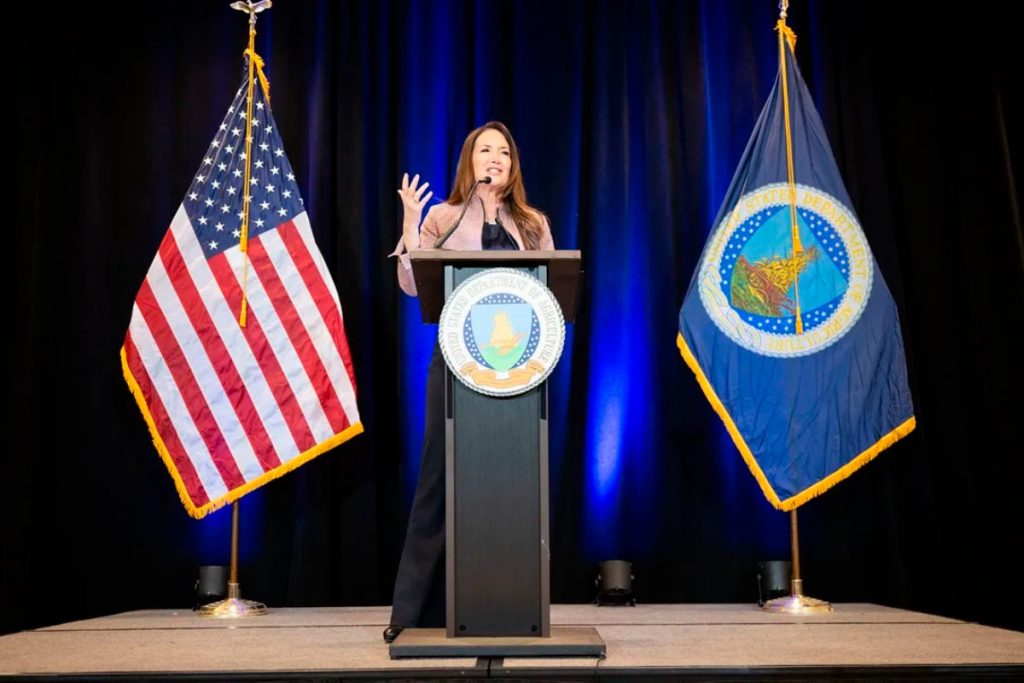
Last month, I had the opportunity to attend the USDA’s 102nd Agricultural Outlook Forum in Arlington, Virginia. This annual event has been about bringing together farmers, researchers, policymakers, and agricultural leaders for more than 100 years to talk about the state of American agriculture and what the future may hold. For those of us working closely with farmers – especially the incredible community of veterans in the Farmer Veteran Coalition – these conversations are important. They help us understand the challenges producers are facing and where new opportunities may be emerging.
One of the strongest messages that came out of the forum is that farming today is not easy. Farmers across the country are dealing with rising costs, changing markets, and uncertainty in the global economy. During the keynote address, U.S. Secretary of Agriculture Brooke Rollins spoke candidly about these pressures. At one point she told the audience, “The current state of agriculture is dire – perhaps one of the most challenging periods our farmers and ranchers have faced in the last 50 years.” Her words reflected what many producers already know firsthand. The costs of fertilizer, fuel, equipment, and labor have increased significantly in recent years, while commodity prices have come down from the highs seen during the pandemic. That combination makes it harder for many farmers to maintain strong margins.
At the same time, there was also a sense of optimism throughout the forum. American farmers have always been remarkably resilient, and there are still many opportunities ahead. One encouraging point raised during the discussions is that global demand for U.S. agricultural products remains strong. Many countries around the world continue to rely on American farmers for high-quality food and agricultural products. In fact, exports of products such as corn, dairy, and ethanol have grown in recent months. Strong international demand helps support farm income and strengthens rural economies.
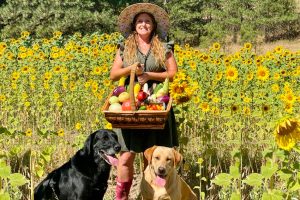
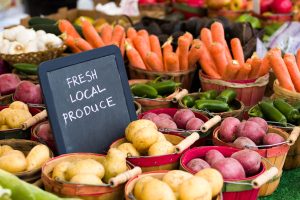
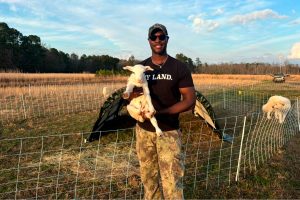
Many speakers also talked about the importance of diversification. While global markets remain important, farmers are also finding opportunities closer to home. Direct-to-consumer sales, farmers markets, and locally branded products are helping producers build stronger connections with their communities. Many Farmer Veterans are already doing this successfully. Programs like Homegrown By Heroes, the Farmer Veteran Coalition’s national branding program, help Farmer Veterans tell their stories and connect with consumers who want to support those who have served.
Another major topic at the forum was the rapid pace of technological change in agriculture. Farming today looks very different than it did even a decade ago. New tools – such as precision agriculture equipment, satellite imaging, and data-driven crop management systems – are helping farmers make better decisions and operate more efficiently. For example, precision agriculture allows farmers to apply fertilizer or irrigation only where it is needed rather than across an entire field. That saves money and reduces environmental impact at the same time.
These innovations can feel overwhelming, but they also create opportunities. Many Farmer Veterans are particularly well positioned to take advantage of these technologies. Military service often provides experience in logistics, engineering, aviation, and advanced equipment systems. Those skills translate well into modern agriculture, which increasingly relies on data, technology, and strategic decision-making.
The forum also focused on the importance of building resilience in the face of extreme weather. Farmers across the country are experiencing more unpredictable conditions – from droughts and floods to heat waves and severe storms. These challenges make it more important than ever to adopt farming practices that strengthen long-term sustainability. Programs through USDA and the Natural Resources Conservation Service (NRCS) are helping farmers implement conservation practices such as cover cropping, improved grazing systems, and better water management. These practices not only protect the land but also help farms remain productive during difficult conditions.
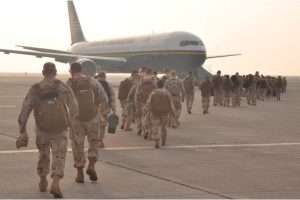
One topic that came up repeatedly during the forum was the need to bring more new farmers into agriculture. The average age of American farmers continues to rise, and ensuring that the next generation is ready to step into the industry is critical for the future of our food system. Beginning farmers often face significant barriers, including access to land, financing, equipment, and markets. Veterans represent one of the most promising sources of new agricultural leadership in the United States. Every year, thousands of service members transition out of the military with leadership experience, discipline, and a strong work ethic. Many are looking for meaningful careers where they can continue serving their communities.
Agriculture offers exactly that opportunity. Through training programs, mentorship, and partnerships across the country, the Farmer Veteran Coalition works every day to help veterans successfully transition into agriculture. Programs such as the Beginning Farmer and Rancher Development Program and other USDA initiatives supporting Farmer Veterans play an important role in helping to make that transition possible.
The forum also reminded me how important agriculture is to the strength of rural communities. Farms and ranches are often the economic backbone of rural America. Successful farms support local businesses, schools, and community institutions. USDA leaders discussed the importance of continued investments in rural infrastructure, including broadband internet, transportation networks, and water systems. Reliable internet access has become especially important for modern farming. It allows farmers to access market information, use precision agriculture tools, and participate in training and education programs.
For many veterans, rural communities also provide something deeply meaningful – a sense of connection and purpose. The camaraderie and shared mission that many veterans experienced during military service can often be found again in agricultural communities.
As I left the Agricultural Outlook Forum, I was reminded that agriculture has always required resilience and adaptability. Farmers face challenges every year, whether they come from markets, weather, or changing technologies. Yet repeatedly, farmers rise to meet those challenges.
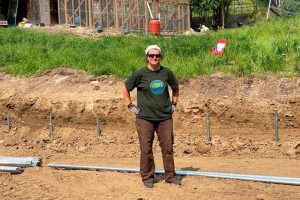
Farmer Veterans are especially well prepared for this future. The leadership, discipline, and problem-solving skills developed during military service translate naturally into agriculture. Across the country, Farmer Veterans are building businesses, feeding their communities, and strengthening rural America.
I want to close by thanking each of you – not only for your service to our country, but also for the work you are doing today on your farms and ranches. Farming is more than a profession. It is a commitment to the land, to our communities, and to the people we feed. Together, Farmer Veterans are continuing a proud tradition of service.