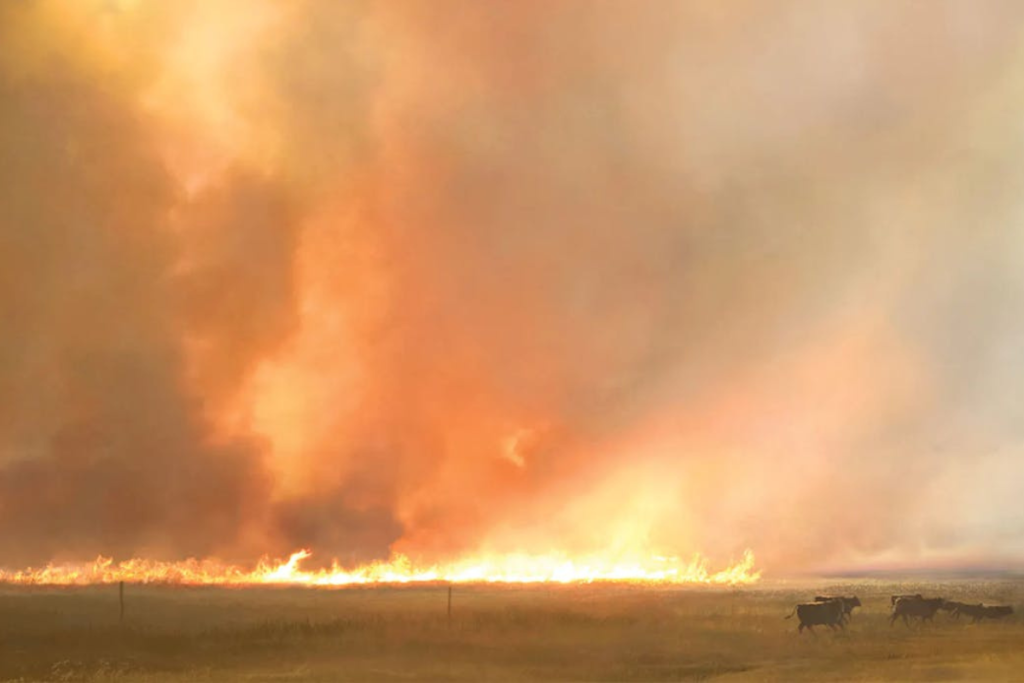
Natural disasters are becoming more frequent and more severe across the United States, creating major challenges for agricultural producers. Hurricanes, floods, tornadoes, drought, wildfires, winter storms, and extreme heat events continue to damage farms and ranches nationwide. Since January 2026, hundreds of federal and state disaster declarations have been issued, highlighting the growing operational risks facing agriculture. For Farmer Veterans, these disasters can result in crop failure, livestock losses, damaged infrastructure, supply chain disruptions, power outages, and rising recovery costs that threaten both short-term production and long-term business stability.
The second half of the year often presents the highest level of risk for agricultural operations. From July through November, producers face peak hurricane season, wildfire activity, flooding from tropical systems, and prolonged periods of heat and drought. As winter approaches, operations must also prepare for freezes, winter storms, and ice events that can affect livestock health, transportation systems, feed supplies, water access, and electrical infrastructure. Because many disasters occur with limited warning, preparation and rapid response are critical for reducing losses and protecting farm operations.
To support members during these emergencies, the Farmer Veteran Coalition (FVC) has created a Disaster Preparedness, Relief, and Recovery (DPRR) system designed to help Farmer Veterans prepare for disasters, respond during emergencies, and recover afterward. The goal is to provide a coordinated support network that improves communication, streamlines recovery assistance, and strengthens long-term resilience for veteran-owned agricultural operations.
The first priority during any disaster is personal safety. Members should always follow evacuation orders and emergency instructions issued by local authorities. Producers should account for family members, employees, volunteers, and livestock while avoiding hazardous conditions such as floodwaters, damaged structures, downed power lines, or active fire zones. Damage documentation should only begin after conditions are safe enough for reentry onto the property.
Once the immediate danger has passed, FVC may activate disaster response procedures depending on the severity of the event. Members may receive information through email alerts, text notifications, chapter outreach calls, website updates, and social media announcements. FVC may also distribute intake forms, recovery resources, assistance information, and contact details. The purpose of this communication system is to quickly identify affected members and begin coordinating support services.
One of the first operational steps during activation is conducting a needs assessment. Members may be asked to complete an intake form or speak directly with an FVC representative or volunteer disaster navigator. Information collected may include:
- Farm or ranch location
- Type of agricultural operation
- Acres affected
- Crop and livestock losses
- Infrastructure and equipment damage
- Utility interruptions
- Immediate operational concerns
- Photos or videos documenting damages
Documentation is extremely important during the recovery process. Members should photograph damages immediately when safe, save receipts and invoices, maintain repair estimates, record livestock losses, and create written timelines documenting events and damages. These records are often required for FEMA assistance, USDA disaster programs, insurance claims, state emergency aid, and recovery grants.
After assessments are completed, FVC begins triage and prioritization. Not every operation experiences the same level of damage, and resources may need to be directed first toward the most urgent situations. Priority categories may include:
- Immediate safety threats
- Livestock emergencies
- Major infrastructure failure
- Severe crop losses
- Financial distress
- Long-term operational disruption
The goal is to identify which producers need immediate assistance and which operations may require extended recovery support over time.
A major component of the DPRR system is helping members navigate recovery programs and assistance opportunities. Disaster recovery often involves multiple agencies, complex paperwork, application deadlines, and reporting requirements that can overwhelm producers already dealing with operational losses. FVC aims to simplify the process by helping members identify available resources and complete recovery applications efficiently.
Depending on the situation, members may be connected with:
- USDA Farm Service Agency (FSA) disaster programs
- Natural Resources Conservation Service (NRCS) assistance
- FEMA disaster assistance programs
- State emergency management resources
- Extension offices and conservation districts
- Nonprofit recovery partners
FVC may also provide technical assistance to help members understand eligibility requirements, organize documentation, prioritize recovery actions, and develop operational recovery plans. Strong documentation and timely communication can significantly improve the likelihood of receiving assistance successfully.
In some disasters, physical recovery support may also become available. FVC is currently seeking funding to develop a Volunteer Response Corps in areas prone to natural disasters. State Chapter members coordinating with nonprofit recovery partners could provide limited field assistance depending on disaster severity, safety conditions, volunteer availability, and funding resources. Potential support may include debris removal, access restoration, barn cleanup, temporary stabilization, and basic recovery labor.
Long-term recovery is another major focus of FVC’s disaster framework. Recovery does not end once debris is removed or utilities are restored. Many farms and ranches require months or years to fully recover financially and operationally after a major disaster. Because of this, FVC is also focusing on resilience planning to help reduce future risks. Potential resilience improvements may include upgraded drainage systems, backup power planning, irrigation improvements, fire-resistant practices, livestock protection measures, and emergency communication systems.
Preparedness remains the most effective strategy for reducing disaster-related losses. FVC encourages members to:
- Develop farm emergency plans
- Review insurance coverage annually
- Maintain updated equipment inventories
- Establish livestock evacuation procedures
- Secure important records and documents
- Maintain backup communication systems
Preparedness training, templates, webinars, and educational materials are expected to become an important part of FVC’s long-term disaster readiness efforts. Many are already available on our website.
FVC will soon be implementing a volunteer management software system that will strengthen the organization’s ability to respond during disasters and support members year-round. The platform will help identify and mobilize volunteers based on skills, location, availability, and expertise during emergencies such as floods, wildfires, hurricanes, and winter storms. Beyond emergency response, the system will also help connect experienced producers with beginning veteran farmers seeking mentorship, technical assistance, or peer support. The overall goal is to build a stronger national network capable of supporting veteran farmers during disasters while expanding year-round member engagement and assistance services.
Wishing everyone a meaningful Memorial Day as we remember our fallen heroes.
Jeanette Lombardo
Chief Executive Officer
Farmer Veteran Coalition